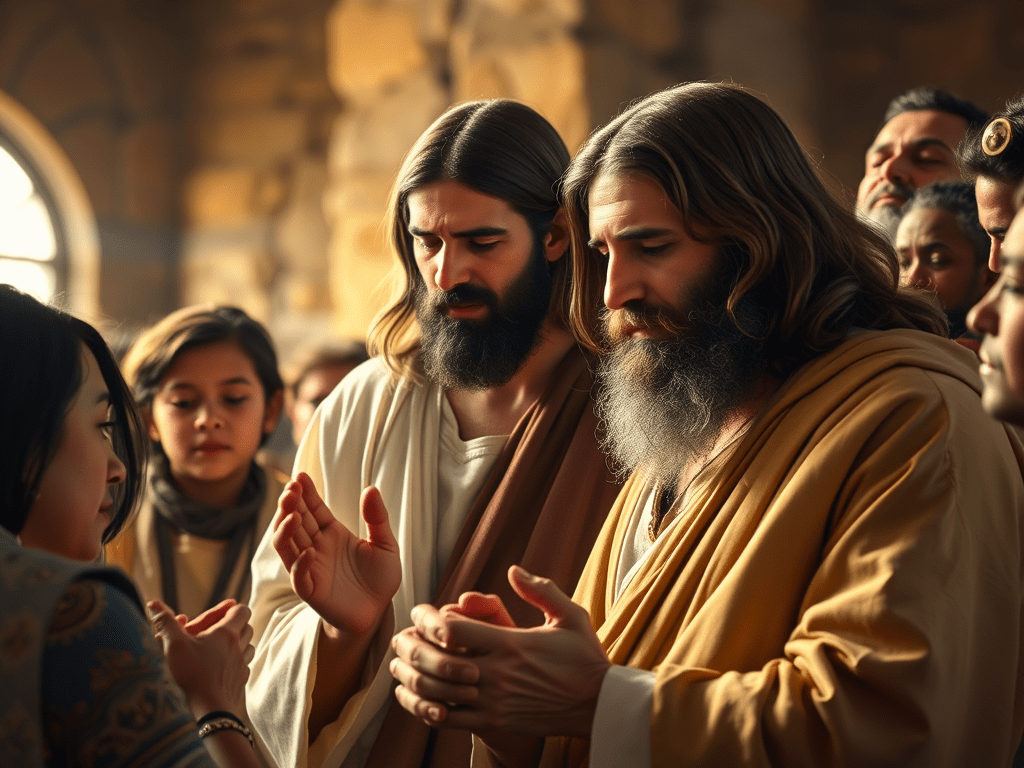
Daniel 9:4b-10/Ps. 79:8,9-11,13/ Luke 6:36-38
Today’s first reading from the prophet Daniel presents one of the most moving communal prayers for forgiveness in Scripture. The people confess together: “We have sinned, we have done wrong, we have acted wickedly.” No one stands apart. The whole nation near and far takes responsibility. It is not a prayer that says, “They have sinned,” but rather, “We have sinned.”
This spirit of shared responsibility is deeply healing. When something goes wrong in society, in the Church, or even in our families, we often look for someone to blame leaders, youth, parents, different governments, or the times we live in. Yet Daniel teaches us a different attitude: before pointing at others, we must first look into our own hearts. A community becomes holy not when it finds scapegoats, but when it finds humility.
We see this in our everyday life. A family may be divided, and each person insists that the other is the problem. Even in society we complain about dishonesty or corruption, yet sometimes we excuse the small compromises we make ourselves. The prayer of Daniel reminds us that conversion always begins with me but never ends with me — it becomes a healing for all.
In the Gospel, Jesus calls us to be merciful as the Father is merciful. To live this way means being slow to judge and slow to condemn. Our culture often rushes us to judgement. A mistake is quickly labeled, a weakness quickly exposed, a person quickly dismissed. But God does not treat us like that. God sees the whole story, the wounds, the struggles, the intentions hidden behind the actions, and so He judges with patience and mercy.
When we recognize our own weaknesses, our hearts soften. The person who knows his own struggles with pride becomes gentler with the proud. The one who has known failure becomes patient with those who fall. A realistic awareness of our own sins becomes a safeguard against harsh judgement.
Yet Daniel’s prayer does not end with sin — it ends with hope: “To the Lord our God mercy and pardon belong.” The deeper focus is not on human failure but on divine mercy. It is precisely because God is merciful that we can speak honestly about our sins without fear.
When we keep our eyes on the God of mercy, we find the courage to say with sincerity: “Lord, we have sinned.” And in that humble confession, we discover freedom, healing, and peace. For the God who invites us to acknowledge our sins is the same God who never refuses to forgive.
 ANNUNCIATION DAILY ROSARY REFLECTION