1Samuel 1:1-8/ Ps. 115:12-19/ Mark 1:14-20
Dear brothers and sisters in Christ,
The first reading today takes us to the very beginning of the story of the prophet Samuel. More importantly, it brings us into the hidden pain of a woman’s heart.
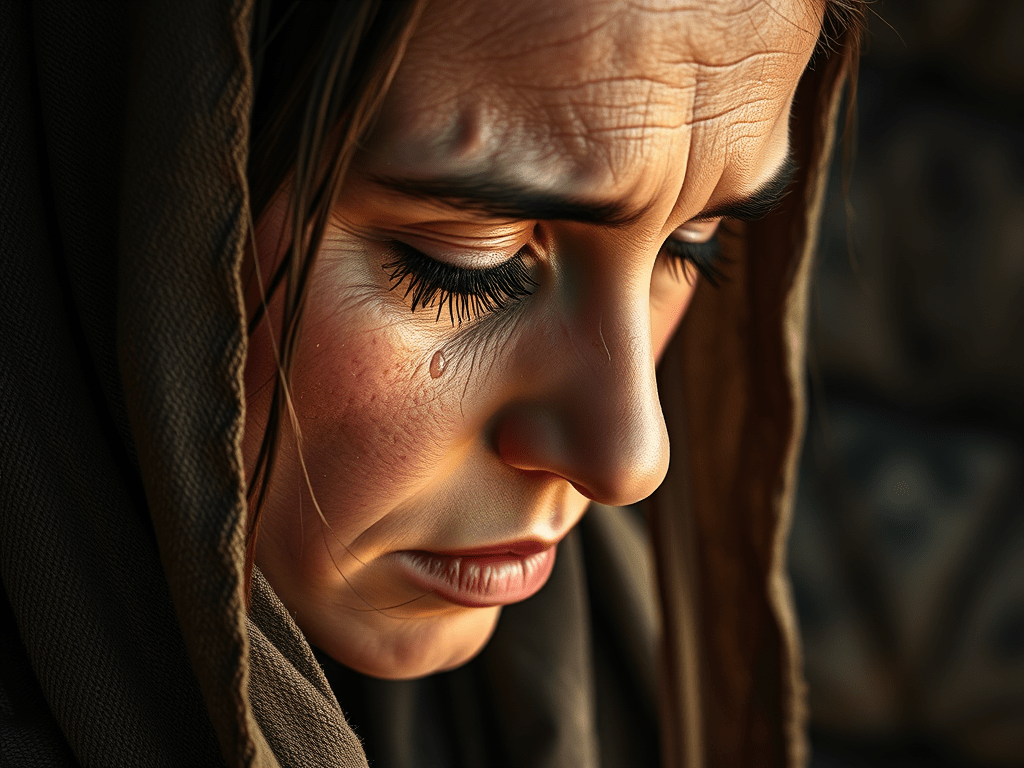
Hannah’s suffering was not just physical; it was social, emotional, and spiritual. In the culture of ancient Israel, barrenness was seen as a curse, a sign of God’s displeasure. Hannah endured the pain of not having a child. She also carried the heavy burden of shame. She faced misunderstanding and ridicule.
Peninnah’s mockery reminds us that human wounds are often deepened. It is not just the situation itself, but also how others treat us.
Even today in our parishes and communities, people suffer silently—because of childlessness, unemployment, sickness, poverty, failed marriages, or unanswered prayers. Sometimes, instead of compassion, they get judgment, gossip, or subtle mockery.
Like Hannah, many carry their tears quietly into the house of the Lord.
Elkanah loved Hannah deeply and tried to console her, yet love alone did not remove her inner ache. This teaches us a profound truth: human comfort, though important, has its limits.
There are pains that only God can heal. And so Hannah did what every believer is invited to do—she took her pain to God. She prayed not with beautiful words, but with a broken heart.
Her lips moved, but her voice not be heard. This is the prayer God listens to most attentively—the prayer that rises from the depths of the soul.
In our parish context, Hannah’s prayer challenges us to examine how we pray.
Do we only come to God when everything is well? Or do we trust Him enough to bring Him our wounds, disappointments, and frustrations? Parents worried about their children should place their worries before the Lord. Young people anxious about their future should look to the Lord. Couples longing for children need to bring their desires to Him. The sick who feel forgotten are invited to seek comfort in the Lord. All of us are invited to place our lives honestly before the Lord, just as Hannah did.
God did not only answer Hannah’s prayer; He transformed her suffering into a blessing for the whole people of Israel. From her tears came Samuel, a prophet who would guide the nation.
This reminds us that God never wastes our suffering. When we stay faithful, our struggles can become sources of life and hope for others. This is true within our families, our parish, and our society.
In the Gospel, Mark presents the beginning of Jesus’ public ministry. After proclaiming that the Kingdom of God is near, Jesus does something very significant—He calls people into relationship and community. He does not start alone.
He calls fishermen at work, ordinary people with no special status, and invites them: “Follow me.” From that simple call, the Church is born.
This is important for us today. Christianity is not a private journey. We do not follow Christ alone. We follow Him as a parish community, as the Body of Christ. Every parish—no matter how small or struggling—is part of this same community Jesus began by the Sea of Galilee. We are living out that call to discipleship when we gather for Mass. We embody it when we pray together. We fulfill it when we support one another in times of joy and sorrow.
The fishermen had to leave something behind—their nets, their security, their familiar routine. Likewise, Jesus calls us daily to leave behind habits that do not give life. These include resentment, jealousy, selfishness, and indifference to others’ suffering. In a parish context, pursuing Jesus means volunteering even when it is inconvenient. It involves forgiving someone who hurt us. It needs contributing to parish life despite limited resources. We also need to be patient with one another’s weaknesses.
Dear friends, Hannah teaches us to trust God with our deepest pain. The Gospel teaches us to walk together as a community of disciples. Each day, in our families and in our parish, Jesus continues to call us by name: “Follow me.” Like Hannah, we trust the Lord with our struggles. Like the first disciples, we respond generously. As a result, our parish becomes a living sign of God’s love, healing, and hope in the world.
 ANNUNCIATION DAILY ROSARY REFLECTION